
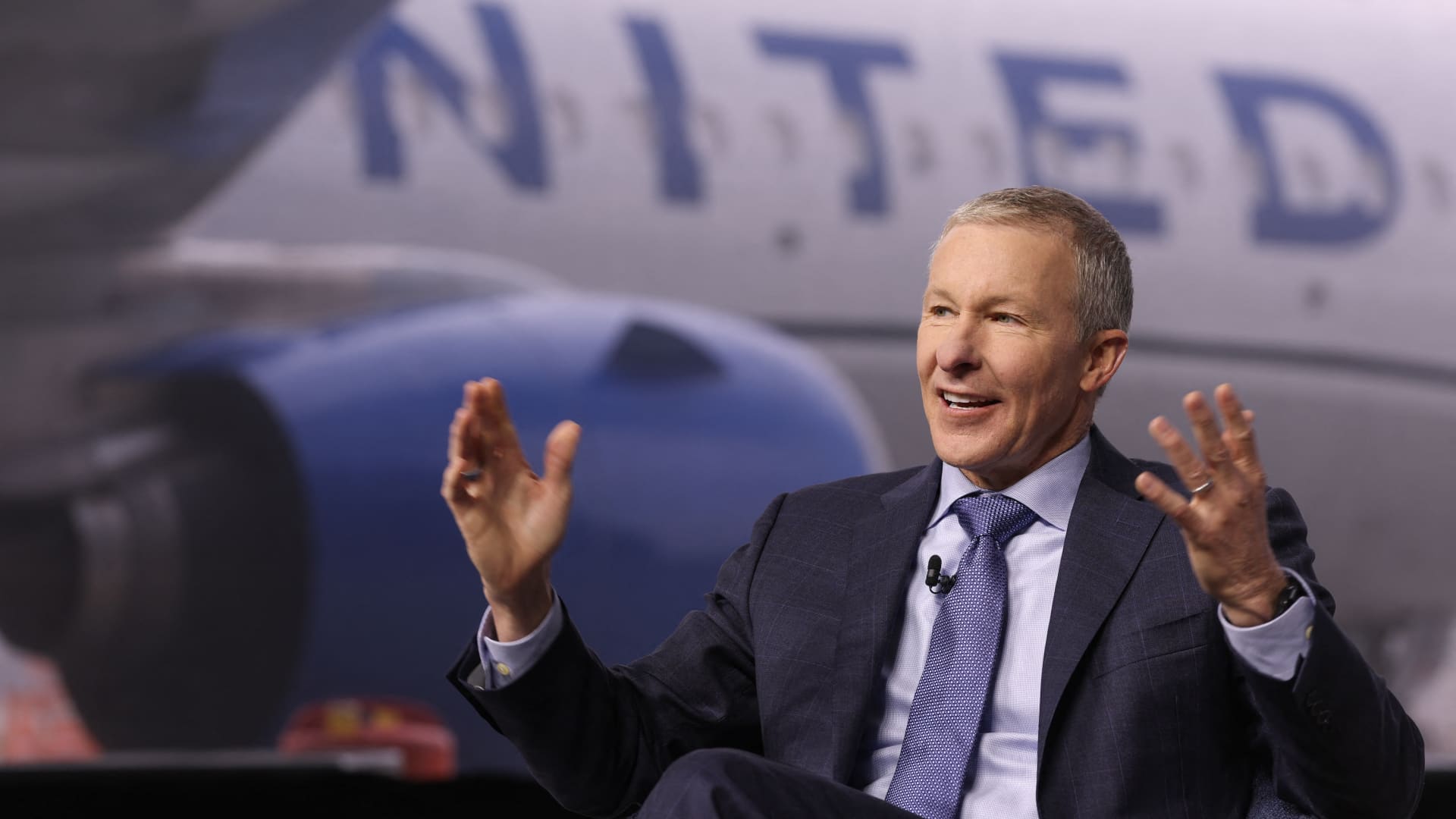
Scott Kirby does not believe in revenge, or so he says. For the United Airlines CEO, the narrative surrounding his career often centers on the dramatic transition ten years ago when he moved from American Airlines to United in a window of time he describes as sixty seconds. While critics see a grudge match against his former employer, Kirby insists he simply competes aggressively. Today, that aggression has placed United as the second most profitable major U.S. carrier, trailing only Delta and leaving American in a distant third place as it struggles to modernize its own passenger experience.
The current strategy for United involves thinking larger than any of its competitors. Kirby has spent the last year floating the idea of massive mergers with either Delta or American to create global aviation behemoths, though those suggestions have largely been met with skepticism from antitrust experts and cold shoulders from rival executives. Despite these roadblocks, Kirby remains focused on growth fueled by a traveling public increasingly willing to pay premiums for luxury seating and trendy destinations. This ambition extends to New York City, where he intends to expand United’s presence at JFK airport through potential slot acquisitions and partnerships, diversifying beyond the airline’s primary hub at Newark Liberty.
International dominance remains the centerpiece of Kirby’s vision. By consistently launching flashy new routes to remote locations like Mongolia and Spain, United uses its expansive global network to drive brand loyalty and fuel high value credit card sign ups. This aggressive expansion puts them on a collision course with Delta, whose leadership is now attempting to chip away at United’s stronghold over Pacific routes. The rivalry highlights a broader shift in the industry toward capturing high spending travelers who view air travel as an experience rather than just transportation.
Reflecting on his journey since joining United in 2016, Kirby notes that being at the helm allows him a level of influence he lacked as a number two executive at American. From auditing money losing routes with a highlighter to overseeing cabin upgrades like the Polaris pods, he has reshaped how the airline operates during one of the most volatile periods in aviation history_including the devastation of the pandemic_. Ashe looks toward another decade, Kirby seems less interested in looking backward at old bridges burned and more focused on ensuring that whenever there is an opportunity for growth, it is always United’s turn.