
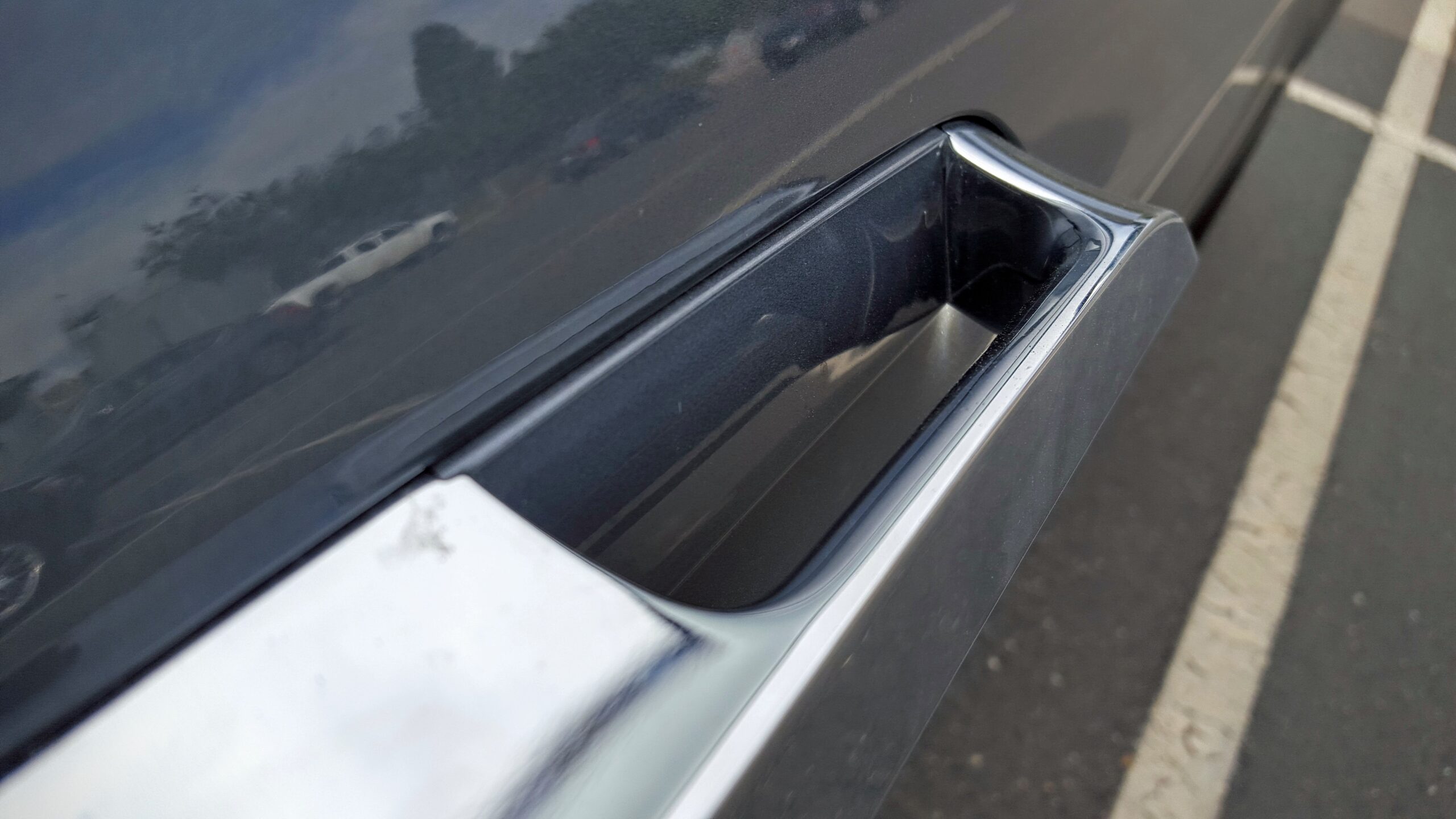
Chinese regulators are cracking down on the trend of flush, electric door handles, forcing a massive recall that impacts millions of vehicles across several brands. While Tesla helped popularize the sleek look with the introduction of the Model S, authorities in China now argue that these designs pose a significant safety risk during emergencies. Because these handles rely on a 12 volt battery system, a collision that disrupts electrical power can effectively trap passengers inside a vehicle. This concern reached a breaking point following reports and viral videos showing rescuers and drivers struggling to open doors during vehicle fires, leading to preventable injuries.
Tesla bears the brunt of this regulatory shift, recalling roughly three million vehicles as part of a wider sweep involving eight other automakers, including Geely and Xiaomi. The primary issue stems from a design where window glass must be lowered slightly for doors to open properly. If the electricity fails during a crash, neither the motorized handles nor the windows will function. Furthermore, critics have pointed out that while front seats have mechanical overrides, rear passengers must navigate a complex process of removing rubber mats and plastic covers to find manual releases—a task nearly impossible for someone panicked or unconscious in an accident.
To comply with the order from China’s State Administration of Market Regulation, Tesla will implement two main fixes. Since physical hardware changes aren’t feasible for every unit, the company will add interior warning labels to guide users toward manual exits and deploy a software update designed to automatically lower windows upon impact. However, experts remain skeptical about whether this solves the core problem if the battery system itself is destroyed in a wreck. These moves come just as China prepares to ban fully retractable door handles on all new cars starting next year.
Beyond the door handle crisis, Tesla is facing another peculiar challenge in China regarding its driver monitoring systems. A separate recall of over two million vehicles is underway after some drivers discovered they could trick the internal cameras by mounting doll heads onto their steering wheels to simulate an attentive driver. In response, Tesla is updating its software to specifically track eye movement rather than just presence. Together, these recalls signal a tightening grip by Chinese officials who are eager to establish strict global safety standards as they continue to lead the world in electric vehicle adoption.