
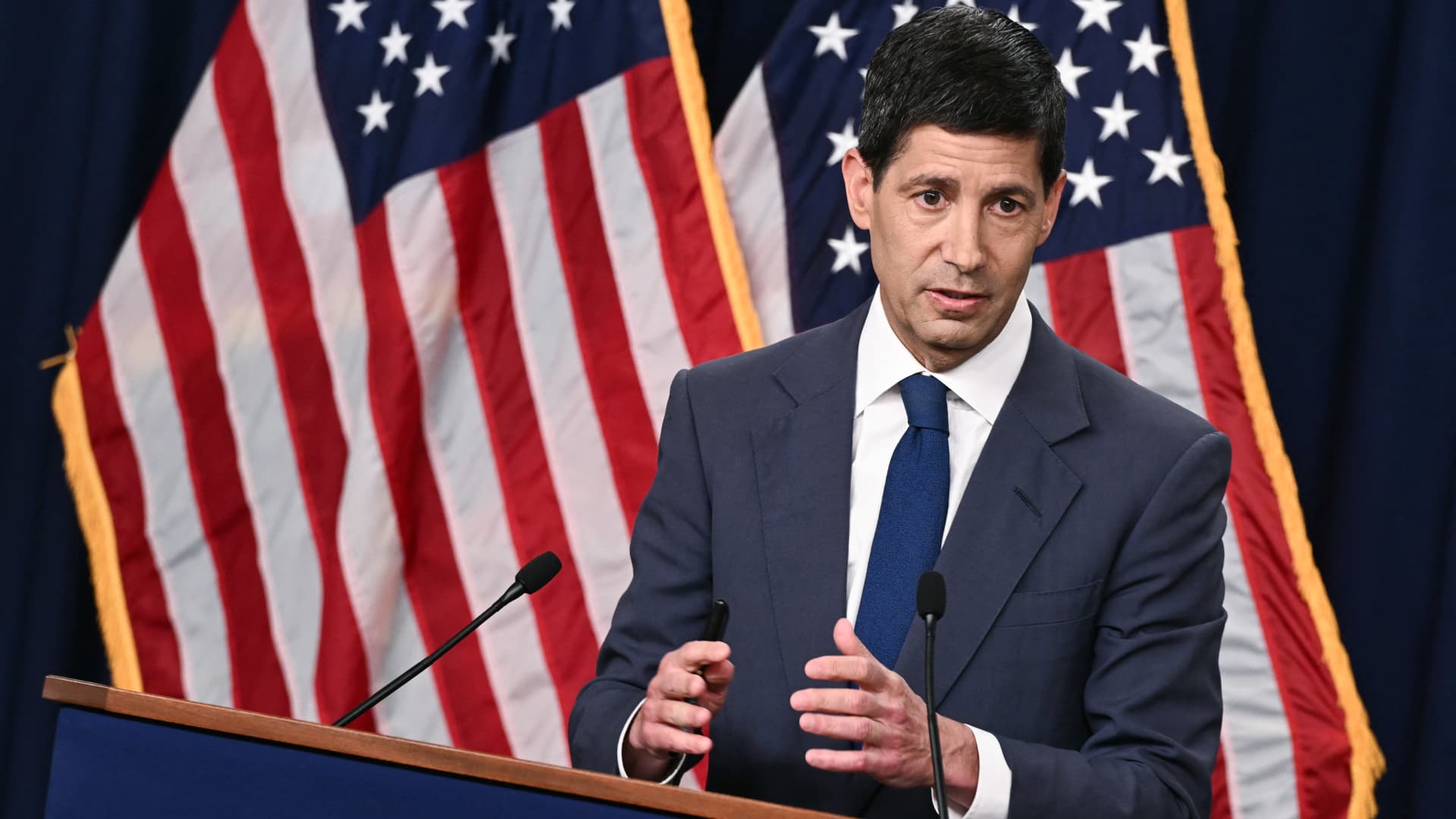
Federal Reserve officials signaled a readiness to pull the trigger on interest rate hikes if inflation fails to trend downward, according to detailed minutes from their late July meeting released Wednesday. While the majority of the Federal Open Market Committee opted to keep the federal funds rate steady between 3.5 percent and 3.75 percent, several members expressed concern that current financial conditions aren’t restrictive enough to push inflation back toward the banks preferred two percent goal. This creates a tense standoff for consumers, as any future move upward would directly impact the cost of mortgages, auto loans and credit card debt.
The decision to hold rates was not unanimous, reflecting a growing divide within the central bank. Three regional presidents from Cleveland, Dallas and Minneapolis broke ranks to vote for a quarter percentage point increase. These dissenters argued that taking action now could prevent the need for more aggressive and painful rate hikes further down the road. Despite this internal friction, Fed Chairman Kevin Warsh has maintained a more patient posture, leading some market observers to view his approach as dovish even as Treasury yields fluctuated wildly in response to his comments.
Recent economic data adds another layer of complexity to the Feds dilemma. While some indicators suggest prices are stabilizing on a monthly basis, overall inflation remains stubbornly above target. Simultaneously, the job market is showing signs of cooling, with nonfarm payrolls dipping in July despite a slight drop in the unemployment rate caused by a shrinking workforce. Until recently, officials focused almost exclusively on inflation over labor concerns, but new data may force them to weigh these competing pressures more carefully before their next move.
Beyond interest rates, the minutes revealed that Chairman Warsh is considering a shakeup of how often the committee meets. He suggested reducing the number of annual meetings from eight down to six to give policymakers more time to gather data and think strategically between sessions. Although no official change was made during the July session and any adjustments wouldn’t take effect until after 2026, it signals a desire for a slower, more deliberate pace in managing the nations monetary policy amidst ongoing volatility.