
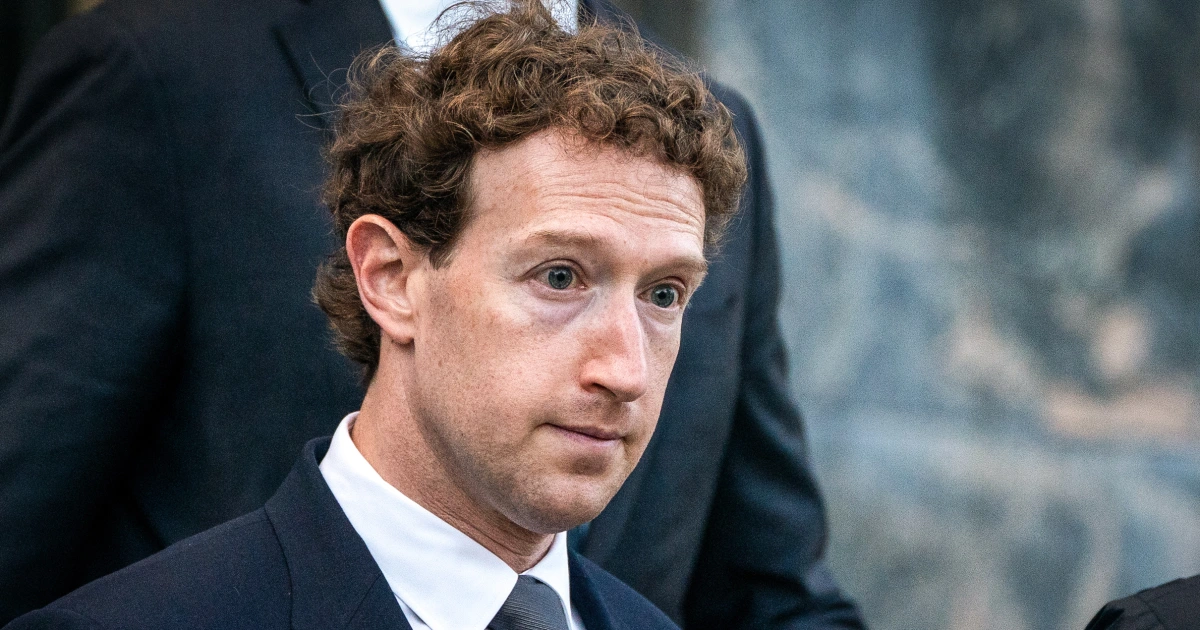
A former engineering director at Meta Platforms took the stand in an Oakland federal court this week, delivering a scathing critique of CEO Mark Zuckerberg’s leadership. Arturo Béjar testified that the tech giant fostered a corporate culture where child safety was consistently sidelined in favor of aggressive growth and user engagement. According to Béjar, Zuckerberg maintains such tight control over the company’s operations that meaningful changes to product design only happen if the CEO personally deems them a priority.
The testimony is part of a massive legal battle involving a coalition of states, including California, Colorado, Kentucky, and New Jersey. These states allege that Meta intentionally designed Facebook and Instagram to hook young users, contributing to a rise in anxiety, depression, and suicide among teenagers. Furthermore, prosecutors argue that Meta violated federal laws by illegally collecting data from children under the age of 13 while ignoring internal warnings about the risks these minors faced on the platforms.
Béjar provided a deeply personal dimension to the case when he described his own daughter’s experience on Instagram. He recounted how she sought out a community for women interested in cars but instead encountered targeted misogyny and harassment. This experience prompted him to email Zuckerberg directly regarding safety concerns, leading Béjar to testify bluntly that the public cannot trust Zuckerberg with children. He dismissed previous claims by the CEO that Meta relies on research to protect its youngest users as entirely false.
While Meta’s lawyers pointed out that the company employs hundreds of qualified safety professionals, Béjar argued that many protective features are essentially window dressing. He claimed that tools meant to encourage users to take breaks were designed to fail because they aren’t enabled by default and are easily ignored. Most damningly, he suggested that Meta operated under a don’t ask, don’t tell policy regarding underage users to ensure long term profit margins remained high despite having the technology to identify children on the platform.