
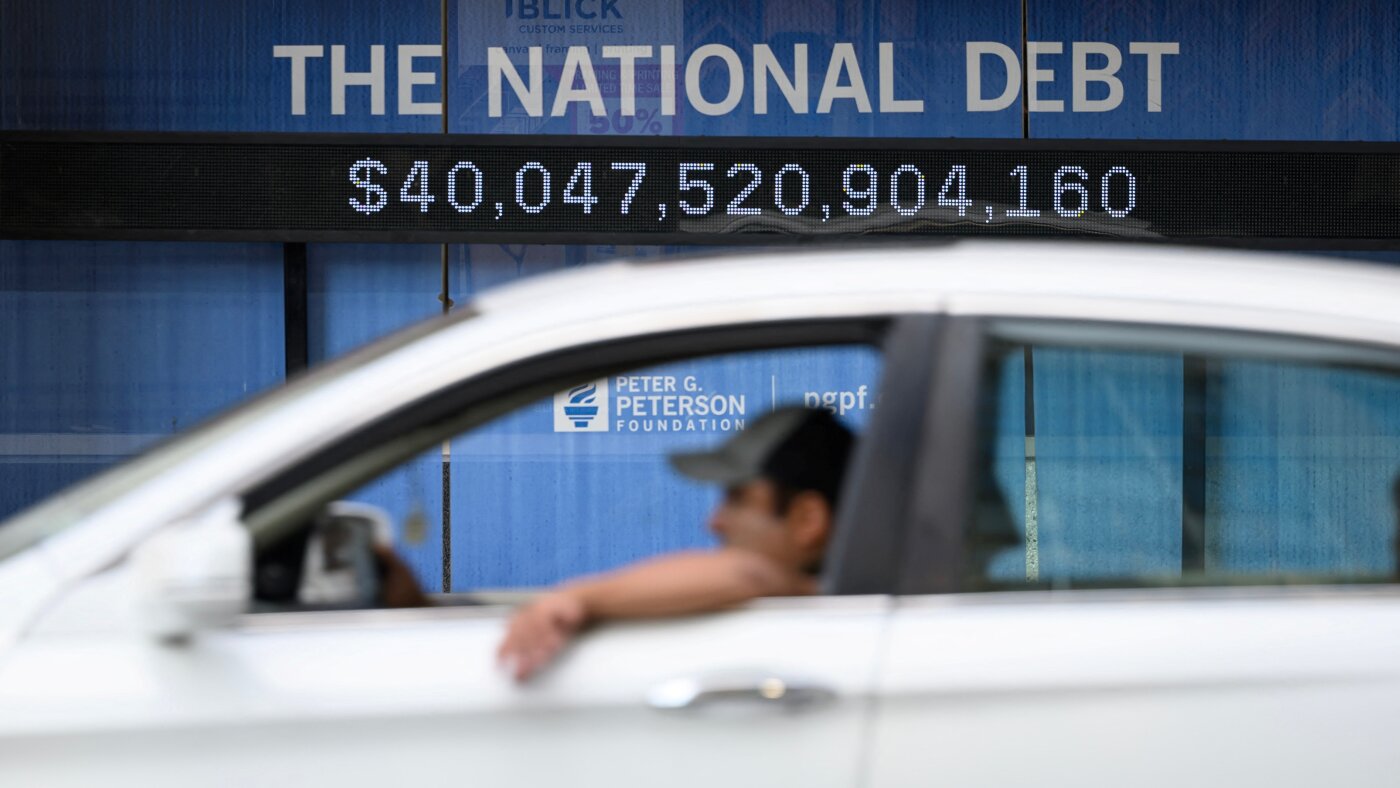
The United States federal debt hit a staggering milestone this week, crossing the 40 trillion dollar threshold for the first time. This massive accumulation of red ink has created a situation where annual interest payments alone now exceed one trillion dollars, cementing debt service as the government’s second largest expense, trailing only Social Security. The climb to this record figure is the result of years of spending exceeding tax revenue, fueled by a combination of strategic political decisions like funding wars and pandemic relief alongside automatic cost increases as baby boomers retire into Medicare and Social Security programs.
While these numbers may seem abstract, they have real world consequences for the average American consumer. When the government borrows such vast sums, investors often demand higher interest rates to offset their risk. These rising Treasury yields act as a benchmark for the rest of the financial world, pushing up the cost of borrowing for everyone. From credit card balances and auto loans to 30 year mortgages, which have recently hovered near 6.7 percent, the national debt effectively makes it more expensive for citizens to finance their lives.
Efforts to manage this crisis in Washington have so far focused on temporary fixes rather than structural changes. The Treasury Department has attempted to stabilize bond yields through buy back programs and diplomatic efforts to ensure foreign holders like Japan don’t dump their holdings. However, experts argue these are mere band aids on a deep wound. Because fiscal discipline has largely vanished from congressional discourse over recent years, any lasting solution will require a politically painful mix of tax hikes and spending cuts. As watchdog groups warn, hitting 40 trillion dollars serves as a critical wake up call that requires both political parties to finally change course before market instability forces their hand.