
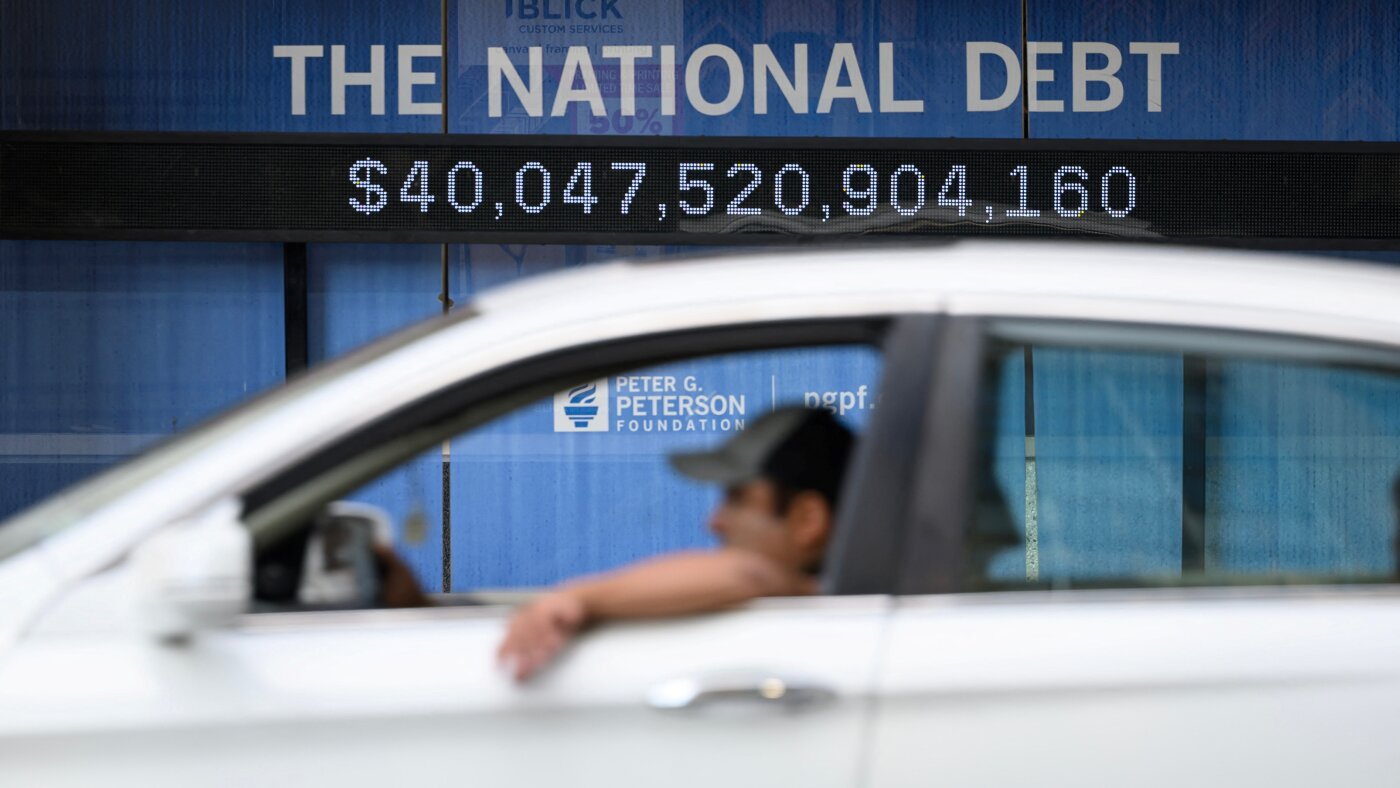
The United States government has reached a staggering financial milestone as the national debt officially climbed past 40 trillion dollars. According to recent data from the Treasury Department, there are few indications that this upward trend will slow anytime soon, with Washington adding more than 2 trillion dollars to the deficit since the beginning of the year alone. Experts warn that the government is currently spending significantly more than it collects in taxes, creating a precarious fiscal situation where interest payments alone are expected to exceed 1 trillion dollars this year.
Economists find the timing of this surge particularly concerning because these record highs are occurring during a period of relative economic prosperity. Normally, governments build reserves or reduce debts during good times to prepare for future crises. By continuing to spend aggressively now, the U.S. is effectively stripping itself of fiscal flexibility, leaving fewer options available to combat the next major economic shock or global emergency.
Meanwhile, Donald Trump has reignited debates over election integrity by promoting a controversial Census Bureau report regarding noncitizen voting. Citing an unauthored seven page document, Trump claimed that an analysis of millions of voter records revealed over 24,000 illegal votes cast by noncitizens during the 2020 presidential election. However, data specialists and election experts have raised red flags about the report’s methodology and its overall conclusions, suggesting that the findings are highly questionable.
Adding to the controversy are reports that the study may have been influenced by outside political interests. An anonymous Census Bureau employee suggested that members associated with the America First Policy Institute, a think tank founded by former Trump administration officials, were involved in the creation of the report. This connection has led critics to argue that the data was curated to support a specific political narrative rather than provide an objective statistical analysis of American voting patterns.